Current Fellowship Recipients
Once again in 2011-2012, the Society of Woman Geographers is supporting bright, creative women who are doing important research in a variety of places in the world. The feedback from the Fellows of earlier years indicates that SWG Fellowship funding is often the difference needed to accomplish well the intent of research projects.
National Fellowship Committee Chair. Ruth Shirey (At-L PA)
Pruitt Dissertation Fellows
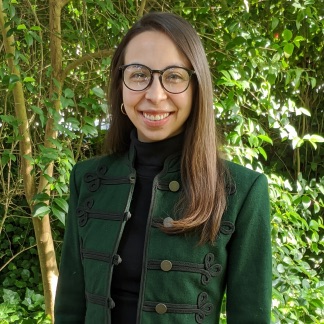
Melissa Malouf Belz at Kansas State University is engaged in a research project entitled Understanding Architectural Significance and Cultural Landscape Change in Kinnaur District, Himachal Pradesh, India. Her research focuses on vernacular dwellings in this region and the rich woodworking heritage that is displayed throughout local housing. She seeks to understand the features of this architecture, its symbolic meaning, the role of religion in house design, and modifications to traditional design. She seeks to understand the role of geographic location, tourism, and resident perceptions on changes in house design. She received her B.S. degree in environmental design at the University of Massachusetts at Amherst and her M.A. degree in international studies in vernacular architecture at Oxford Brookes University, Oxford, England.
Interim Report
Melissa Malouf Belz
Kansas State University
Project title: Keep My Place: The Significance of Ornamental Features of the Vernacular House in Kinnaur, Himachal Pradesh, India
Pruitt National Fellowship Interim Report
I am currently a third year Ph.D. candidate in geography at Kansas State University. My research explores the cultural landscape and rich woodworking heritage of the Indian Himalaya. My research goals are to determine the distinguishing architectural features of the vernacular house and the driving forces of change in the Himalayan cultural landscape, as well as reveal the potential of small-scale landscape features as a significant component of place-making. The working title of my dissertation is “Keep My Place: The Significance of Ornamental Features of the Vernacular House in Kinnaur, Himachal Pradesh, India”.
Vernacular dwellings are those with a distinct style, particular to a region and culture, and built with local ingenuity. The district of Kinnaur in the state of Himachal Pradesh, has a particularly high concentration of vernacular houses with ornamental woodcarving. Historic structures are slate roofed and employ a layering of log and stone as building materials on the lower level. Wooden panels, often with illustrative carvings are incorporated onto the second story. Ornately carved window, door and eaves trim is the hallmark of the region and large, windowed verandahs are widespread.
I have recently completed my fieldwork in India which spanned the summer of 2010 and the summer and fall of 2011. I was able to visit various archives throughout the north and west of India, and conduct comparative studies regionally to determine the extent of this vernacular style. Traveling the periphery of Kinnaur and additional recommended regions, I was able to provide deeper context to the content and quality of woodcarving and vernacular design in Kinnaur.
As a focus, I spent over six weeks in the town of Kalpa and its adjacent villages. With the help of a translator, I conducted over 50 interviews with master carvers, homeowners and officials within the fields of agriculture and forestry. I created measured drawings of various house types ranging from historical to contemporary, documented the landscape photographically and mapped the pedestrian focused village of Kalpa. I noticed clear indications of change in house form and building materials, and a decrease, but not a disappearance of traditional architectural woodcarving in new houses.
I discovered that the most profound contributor to change in the vernacular landscape is a 2006 ban on the collection of forest trees used for construction timber. Environmental strains have prompted increasing limitations on long established tribal rights to wood collection. Given the abundant use and unique treatment of wood in the vernacular architecture, limitations on gathering wood for construction has had dramatic consequences for vernacular housing. Facilitated and compounded by road improvements and increasing access to concrete and steel roofing over the years, traditional building techniques have taken on an “international style” of modernization. My interviews revealed that people of Kalpa overwhelmingly prefer wooden houses. They feel that wooden houses last longer, provide better interior comfort and create a healthier environment in which to live. However, they feel powerless in procuring the needed materials for construction.
The most significant insight of my landscape analysis in the Kinnaur district reveals that decorative features could be among the last remaining features of the traditional house, rather than as I had expected, the first thing to disappear in a changing landscape. Even when the traditional house-form, building method and materials change, decorative features are what hold the house in the “Kinnauri style”. The veranda is a regional feature that ties even the most modern concrete house into the village, and features as small as a carved door trim echo historical vernacular. People still feel compelled to decorate, even in metal trim if wood is unavailable, because somehow, that detail connects them to an identity and a history.
I will continue to pursue further second-hand investigation into symbolism of folk and Hindu imagery to come to a stronger conclusion on the meanings behind the specific choice of carvings. Additionally, I have considerable analysis to carry out on typology and transition of house form. My preliminary findings on the significance of ornamental features will be presented at the International Seminar on Vernacular Settlements, an international juried conference in North Cyprus in April 2012.
Thanks to the Pruitt National Fellowship, I was able to conduct this research and travel a broad area to put the distinctiveness of Kinnaur district in context. The region does have exceptional woodcarving on domestic buildings and very unique temple architecture. Distinguishing features give shape and diversity to the world, creating places that summon our fondest attachment. However, the question remains of whether the region holds enough value in its vernacular heritage and cultural landscape that it will choose to continue these traits in the face of modernization.
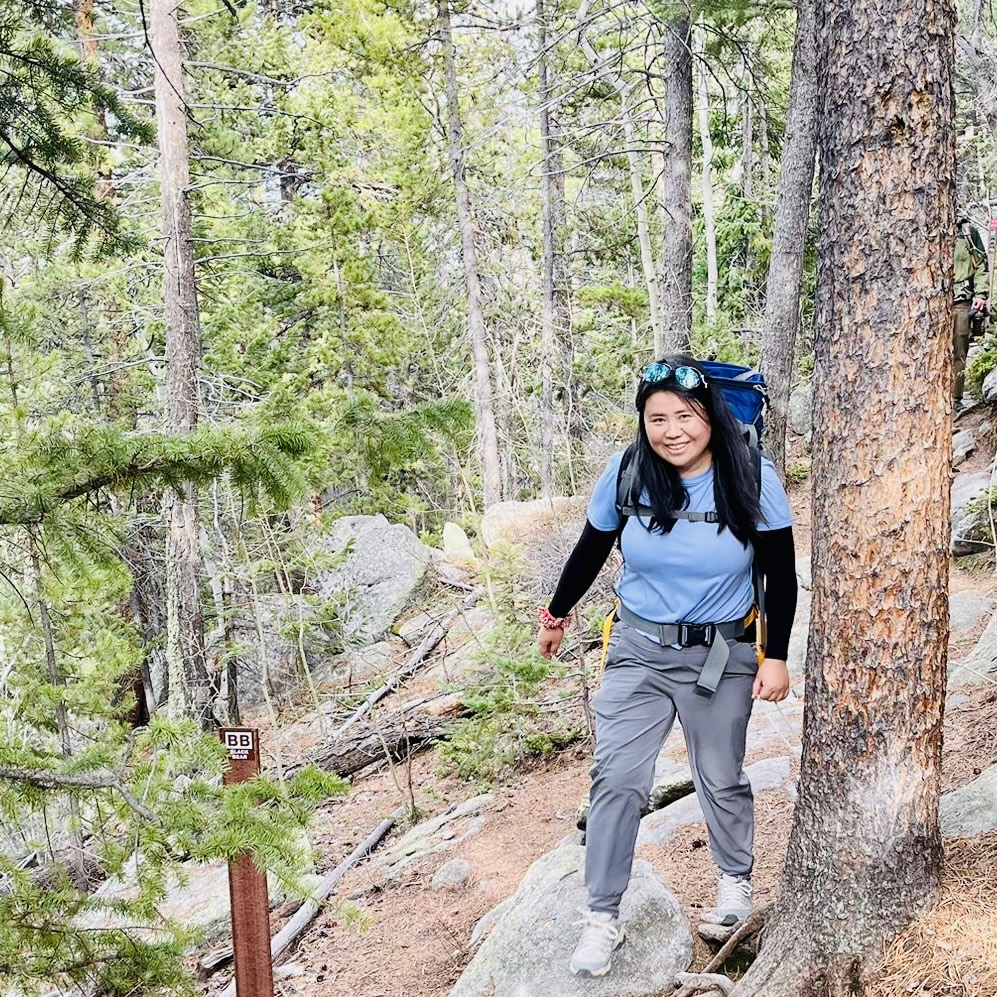
Lindsey J. Carte is in the Ph.D. program in geography and the environment at the University of Texas, Austin. Her research looks at how low-to-mid level officials in Tapachula on the Mexico-Guatemala border use their power to affect Central American immigrants’ vulnerability to exploitation, domestic violence and other human rights violations for which this region has come to be known. Her objectives are to describe how these officials everyday actions interpret and implement migration policy and support or contradict official migration policies. She will describe Central American immigrants’ experiences with officials and how experience varies with gender, ethnicity, race and class. Lindsey received her B.A. in Latin American and Caribbean Studies at McGill University, Montreal, Canada and her M.A. in Latin American Studies at the University of Texas.
Interim Report
Lindsey Carte
Department of Geography and the Environment
University of Texas at Austin
“Central American Immigration on Mexico’s Southern Border: Embodiments of Power, Gender and Citizenship”
Thanks to the generous support of the SWG Pruitt Dissertation Fellowship, I am in the final stages of my dissertation research on the topic of Central American migration to Mexico and the state responses to this phenomenon. Central Americans choosing to settle in the Mexico-Guatemala border state of Chiapas do so in a socio-spatial and political context defined by the introduction of “progressive” migration policies on the one hand, and the persistence of state and non-state violence and discrimination on the other. On the ground, new policies are implemented by low-to-mid level officials with the power to interpret and implement policy in ways that sometimes do not align with official plans. Central American women often bear the brunt of negative interactions with low-to-mid level officials, leaving them vulnerable to exploitation, domestic violence, and blocking their access to legal identity and human services.
Considering these issues, my research has had two broad goals: (1) To understand how low-to-mid level officials, such as bureaucrats, teachers and social service providers, perceive and use their power in their daily interactions with immigrants and; (2) To examine how Central American immigrant women’s experiences with low-to-mid level officials impact women’s sense of belonging and citizenship in Tapachula.
From September 2010 until June of 2011 (and again in October 2011) I lived in Tapachula and engaged with the people in the neighborhoods and state related agencies where I carried out my research. In order to understand the complex processes I am researching, I chose to employ a multi-method, participatory approach to my project. I conducted in-depth interviews with immigrant women and men and with low-to-mid level officials throughout 2010 and 2011. These interviews add to a sample of in-depth interviews with immigrants and officials taken in my preliminary research in 2009 and during my master’s research in 2007. To better explain officials’ actions, I conducted participant observation during a six week period as a volunteer in a civil registry in Tapachula. This proved extremely helpful in allowing me to understand the perspective of officials, and network with potential interview participants. Finally, in order to facilitate dialogue in the Central American community and to better understand immigrant experience, I coordinated a series of participatory workshops with Central American women. I developed the workshops in cooperation with two Central American women interested in facilitating a participatory experience about their everyday lives, encounters with officials and other issues in Tapachula.
With the support of the Pruitt Fellowship, I will attend the 2012 Conference of Latin Americanist Geographer’s (CLAG) meeting in Mexico in January to present the preliminary results of the project. Soon after, I will return to Tapachula one last time to close my project and share drafts of reports with officials, immigrants and other community members. My hope is that my research findings will present a multi-faceted, inclusive account of low-to-mid level officials’ and immigrants’ encounters that helps to generate new dialogue surrounding policy improvement, implementation, capacity building and grassroots organization.
I am currently a fourth-year Ph.D. candidate in the department of Geography and the Environment at the University of Texas at Austin. I received a master’s degree from the same university in Latin American studies in 2008. My research interests lie in the areas of feminist, population and political geography and Latin America. Now settled back into university life in Austin, I am dedicated to data analysis, writing my dissertation and preparing manuscripts for publication.
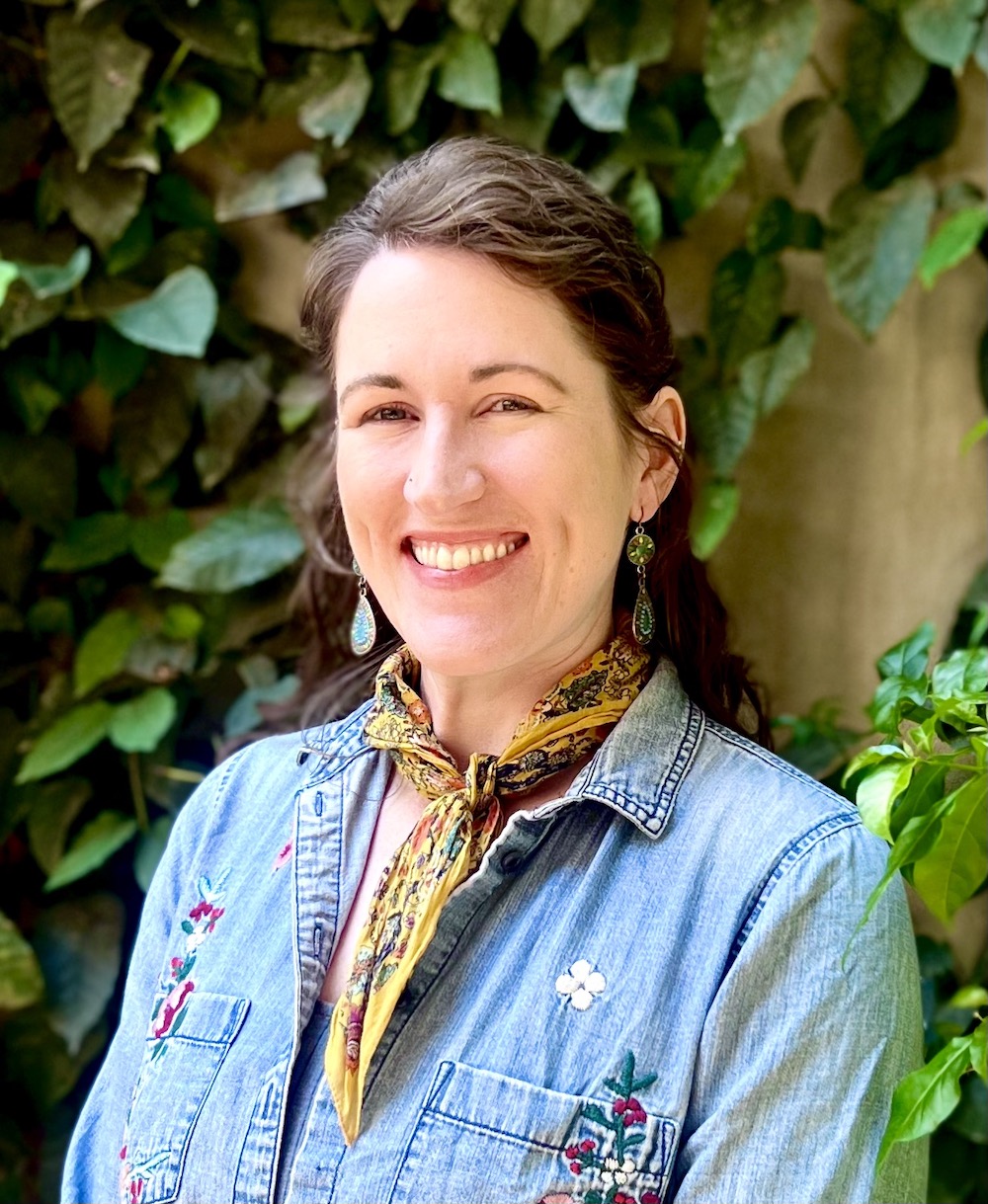
Brittany Y. Davis is researching “Angling for Justice: Uniting Economic and Environmental Interests on a Honduran Island.” She is a Ph.D. candidate in the School of Geography and Development at the University of Arizona. She earned an A.B. degree in comparative literature at Princeton University and an M.A. degree in geography at the University of Georgia. Her research reflects her personal commitment to environmental justice. Brittany’s research looks at the social and economic effects on communities in biodiversity-rich areas where conservation is being proposed. She is focusing on evaluating the possibility of creating an island-wide marine conservation effort that goes beyond restricting fishing on Utila, Honduras. She seeks to identify resource conservation strategies that are acceptable to Utilan resource users and will protect the environment and local livelihoods.
Interim Report
Brittany Y. Davis, University of Arizona, “Angling for Justice: Uniting Economic and Environmental Interests on a Honduran Island”
Brittany Davis is a fourth-year PhD student in the School of Geography and Development at the University of Arizona. Her research interests include marine conservation, political ecology, and social justice. Her dissertation research focuses on understanding the interactions between marine conservation, tourism, and the local small-scale fishing industry on the island of Utila, located in the Bay Islands of Honduras. The aim is to answer three related questions about local environmental knowledge and its relationship to conservation planning and policy, the role of fish in the local economy, and the governance structure of Utila’s marine environment through interviews and observational data. She is currently spending 10 months living and conducting fieldwork on Utila.
Research Update
The research questions have been refined to focus more concretely on the implications of environmental knowledge, how fish connect various actors in the Utilian economy, and how local environmental organizations govern the island’s coastal and marine environment. Accordingly, this dissertation research focuses on two areas: local environmental knowledge, its diversity, and its utility for conservation planning; and the institutional arrangements governing marine environmental management. Significantly, this project queries the local ecological knowledge of a multitude of environmental actors—fishers, divers, dive boat captains, marine patrol officers, restaurant owners—to produce a more comprehensive and inclusive body of knowledge about Útila’s marine environment, viewing the knowledges of these actors as complementary to one another. In doing so, it expands the scope of local ecological knowledge studies to include actors who traditionally are not queried and valuing the knowledge they contribute.
Thus far, my research is progressing well. I have conducted 6 formal, semi-structured interviews with scuba divers (both divemasters and instructors) and restaurant staff, in addition to countless informal conversations with fishers, divers, and tourists about their knowledge and practices. I have also had informal conversations with the directors of three of Utila’s principal marine-related environmental organizations in which each expressed his or her willingness to participate in the research and to allow me to volunteer to gain greater insight into each of their organizations. In everyday, casual conversations with tourists and divers, we have discussed how they learn about Utila and its marine environment, whether or not they eat fish while on the island and why, and what they think about the island’s current conservation efforts.
These interviews have been supplemented by my attendance at numerous presentations and workshops about the marine environment, including a presentation about whale sharks, a Project AWARE class on coral reef conservation, and the 2011 Ocean Festival, which featured a series of ocean-related films followed by discussion. I have also volunteered at a few events sponsored by the environmental organizations, including Utila’s second Lionfish Derby, which was held on November 4, 2011. Through these events, I have had numerous informal conversations with fishers, divers, boat captains, and local residents about marine conservation, the future of Utila’s marine environment, and the relationship between tourism, conservation, and fishing on the island.
In the upcoming months, I will conduct additional semi-structured interviews with boat captains, fishers, dive instructors, divemasters, and the staff of Utila’s local environmental organizations drawing on the contacts and relationships that I have established over the past three months. I also intend to collect follow-up interviews with the people I have already interviewed to see if there are any changes in their knowledge or thoughts six months after our initial interview. I will also continue my observations of restaurant menus and grocery store cases to assess the types of seafood products sold and their cost. In April 2012, I will begin preliminary data analysis to identify gaps in the data collection that can be remedied before I leave the field at the end of June.
back to top
Pruitt Minority Fellows
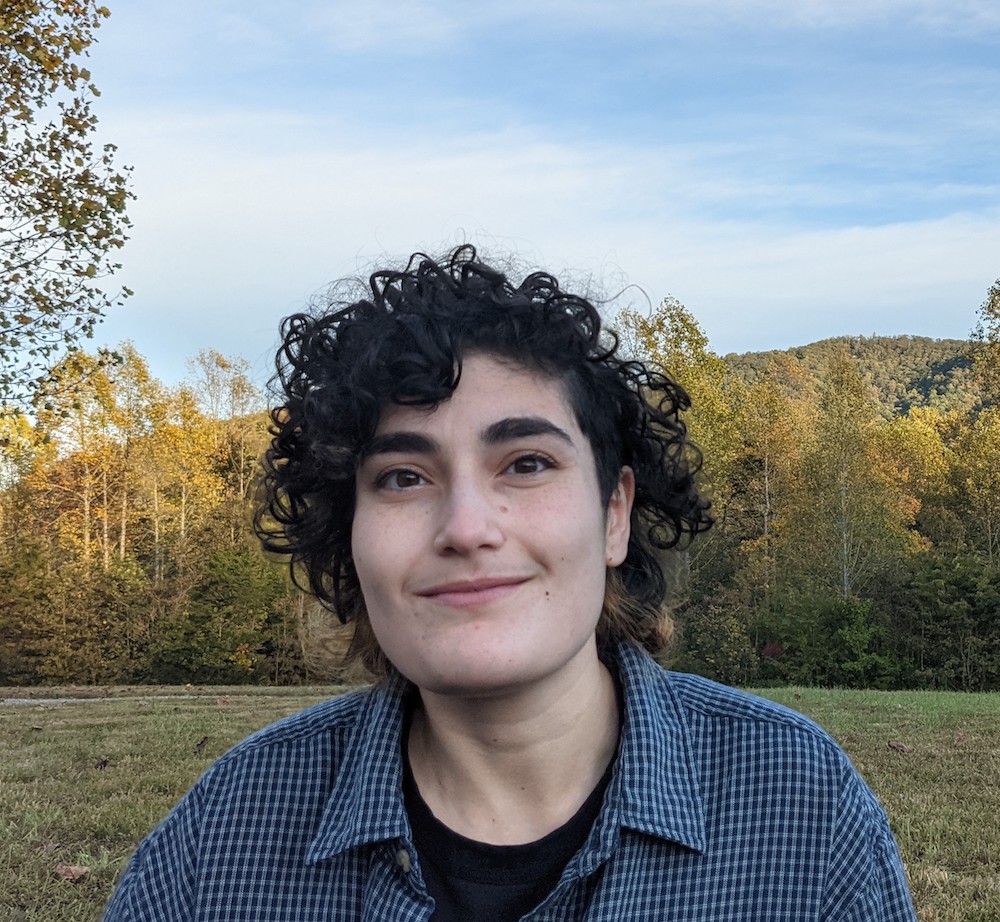
Paisly Di Bianca is a Masters student at Northeastern Illinois University. Her SWG fellowship will help to support her fieldwork in Tokyo for her thesis. Paisly’s geographical interests are East Asian countries, urban geography, cartography and geographic information systems. She plans to pursue a doctorate in geography following completion of her Masters degree. She already holds a Masters degree in linguistics and majored in anthropology and Spanish as an undergraduate. Paisly plans to investigate Japanese train stations within a new urbanism context, and she has already presented a paper on this topic at the Association of American Geographers meeting. She will look at how Japanese train stations are exemplary of the principles of new urbanism which encourages the development of mass transit and multi-function buildings.
Interim Report
Paisly Di Bianca
Northeastern Illinois University
Project Title: Japanese Train Stations, Green Urbanism, and Placeness
I am a master’s degree candidate in the Department of Geography and Environmental Studies at Northeastern Illinois University in Chicago, Illinois. Concurrently, I am also completing a graduate certificate in Geographical Information Systems (GIS). My research interests include GIS, cartography, East Asia, urban geography, new urbanism, and linguistics. I already hold a master’s degree in Linguistics from NEIU. My undergraduate studies were in Anthropology and Spanish.
Since I have been in my program, I completed a variety of research projects and presented the results at regional and national professional conferences. One project entailed a GIS-based study of graffiti tags in a Chicago neighborhood as markers of gentrification that I presented at the 2010 Annual Meeting of the Association of American Geographers (AAG). Also in 2010, I presented a project that used GIS to delineate safe bike routes to a college campus at the Fall Meeting of the Illinois GIS Association. In 2009, I was an intern in the GIS shop of the Region 5 United States Environmental Protection Agency (US EPA). I received additional GIS training from the Region’s GIS Coordinator, who is now also the Chair of the US EPA’s National GIS Workgroup. As an intern, I applied my GIS skills to assist solutions for environmental challenges facing the nation. For example, I was a member of a GIS team who created an oil spill risk and vulnerably analysis for the sub-watersheds in the six Region 5 states. We presented our results at the Joint Meeting of the Midwest Chapter of the Society of Environmental Toxicology and Chemistry and the Chicago Chapter of the Society for Risk Analysis in March 2011. At the April 2011 Annual Meeting of the AAG, I presented preliminary findings for my thesis research project that included data collected in Japan in December 2010.
My project is entitled “Japanese Train Stations, Green Urbanism, and Placeness.” This topic grew from the reality that supplies of fossil fuels are dwindling while populations are growing. Urban areas will have to adopt alternative transportation strategies that utilize less polluting and depleting sources of energy while accommodating large numbers of people. Rail transit is one such method. Japan serves as a prime model for such technology. One outstanding component of the Japanese rail system is the extensive development that has been put into the rail station itself. Many urban Japanese train stations serve a greater function than merely as a place to disembark and board trains. The stations foster efficient land-use in dense city centers by encapsulating many services in a single facility. There is very little written about Tokyo train stations in the English academic literature. By providing insight into Tokyo’s rail station projects for the non-Japanese speaking audience, a broader range of ideas can be considered within discussions of transit-oriented-development.
This research will be a case study of Japanese commuter rail stations, within which the following will be addressed: comparison to an American model, serving as a basis for building a train station typology, position within the framework of green urbanism, and role in the concept of “place.” Two major stations in Tokyo will be examined, Shinjuku Station and Tokyo Station City, along with suburban station samples. The stations will be compared to current rail development in a major American urban area, specifically Chicago, Illinois. Metra Olgilve and Union Station will be the major stations to be examined in Chicago along with a sample of their terminal suburban stations. The specific research questions to be answered are: How do the train stations of Tokyo and Chicago differ in physical layout and services offered? How have the areas surrounding the train stations in Tokyo and Chicago been developed? How do commuter profiles in both cities differ? The secondary research objective is to develop a typology to identify characteristics of rail stations, from the most basic to the most elaborate, that can be used in discussions related to transit oriented development in a green urbanism framework. The third research objective will be to position the resulting observations within the concepts of green urbanism and place theory. GIS will be integral to the data collection, organization, and analysis.
The Fall 2011 semester was devoted to completing coursework and preparing the thesis proposal. I secured the three members of my thesis committee. Their areas of expertise include GIS, environmental policy and planning, and Japan. I completed an initial literature review as part of the preparation of my thesis proposal. I also collected spatial and demographic data for the study areas to begin populating the GIS and develop preliminary maps. I am working with my committee to finalize the thesis proposal so that I can register for the thesis seminar class in Spring 2012. Since I will travel to Japan in the summer of 2012 to begin fieldwork, I met with the travel office at NEIU in December 2011 to discuss the procedures for the disbursement of my SWG fellowship. In the coming weeks, I will be securing my accommodations for the two months I will be in Japan and purchasing my airline ticket. Additionally, in January 2012, I will begin taking formal classes in the Japanese language to facilitate the data collection in Japan and document analysis.
back to top
National Fellows
Sarah Elisabeth Knuth is SWG’s National Fellow at the University of California, Berkeley. Sarah has a B.S. degree in earth sciences and a M.S. degree in geography earned at Penn State University. She is now in Berkeley’s Ph.D. program in geography. She says of her research interests, “I have examined the biophysical impacts and human dimension of global climate change, particularly the social inequities that create uneven vulnerability to environmental dislocations and the shifting nature and scales of U.S. environmental governance.” Her Master’s research involved inventorying greenhouse gas emissions to support decisions regarding climate change mitigation in a suburban Philadelphia county. Her dissertation and planned future research focus on the San Francisco Bay Area and environmental injustice and vulnerability, urban sustainability, and the changing nature of U.S. environmental governance.
Interim Report
Sarah E. Knuth, University of California-Berkeley
Dissertation Title: Castles of Air: City-Building in the Green Economy
Amidst the continuing economic sluggishness, widening inequality, and mounting political anger that have marked the Great Recession in the United States, economic boosters have been slow to suggest persuasive visions for achieving renewed prosperity and shared national wealth. In my Society of Woman Geographers-supported dissertation research, I suggest that a key exception to this rule has been the growth of a political economic bloc centered around the promise of a green economy. Proponents of this economic development strategy seek to harness the processes of increasing the efficiency of energy use, reducing greenhouse gas emissions, or adopting other pro-environmental practices to renew US technological advantage and otherwise create new market value. Significantly, many of these promoters – the Obama Administration; city mayors; venture capitalists; cleantech industry boosters; NGOs; increasingly, conventional finance and commercial real estate interests – are centrally concerned with the project of greening US urban built environments. They claim that this major nationwide real estate transformation would simultaneously produce critical environmental benefits, a steady demand for working class construction and manufacturing labor, an infusion of capital into disinvested US regions, and huge potential profits.
I was drawn to the promise and potential contradictions of this emerging body of green building practices, real estate industry strategies, and multi-scalar promotional policies through years of research into the human dimensions of global change. My undergraduate and master’s research at Penn State University focused on US cases of uneven social vulnerability to climatic hazards and on emerging geographies of US urban greenhouse gas emissions and multi-scalar climate change mitigation policies. I am currently a sixth year doctoral student in the Department of Geography at the University of California-Berkeley. In my dissertation work, I critically examine green city-building strategies within the necessary context of a longer history of US regional real estate cycles and speculative bubbles, secular trends toward real estate centralization and financialization, and new and old ways that class-based, racial, and interregional inequities are exacerbated by urban growth machine politics. I focus geographically on the San Francisco Bay Area. The region’s cities are simultaneously engaged with local developments – including continuing economic and fiscal fallout from the subprime collapse – and a complex multi-scalar geography of greening: globally networked finance and real estate investors, in-transformation California climate and energy efficiency policies, and an emerging web of US national green economic programs and competing urban greening efforts.
As I have conducted this research, guiding research questions have included:
- How is green and energy-efficient city building changing the property development industry’s organization and rent-seeking practices?
- How are energy and emissions savings becoming commodified within green markets and within urban land markets, and how are these markets being connected?
- How are urban and regional climate change initiatives employing green and energy-efficient building policies in competitive economic development strategies?
My ongoing investigation has drawn on diverse policy and industry sources. In the policy realm, I have examined the structure and reception of key national, California, and Bay Area programs – energy efficiency programs of the American Recovery and Reinvestment Act, the Recovery Through Retrofit and Better Buildings Initiatives, longer-term weatherization programs, in-progress green value appraisal legislation like the SAVE act, Department of Energy innovation cluster grants, and General Services Administration procurement; California AB 32 and its carbon trading provision, Title 24 and its energy efficiency/green building code updates, SB 375 and Governor Brown’s reconfiguration of California redevelopment agencies, Energy Upgrade California and other California Public Utility Commission and public/investor-owned programs to support energy demand side management; local Bay Area initiatives including Berkeley, Sonoma County, and San Francisco’s property-assessed clean energy (PACE) energy efficiency/renewable energy financing programs, litigation and legislation around federal challenges to PACE, local green building ordinances and climate commitments, and green economic cluster initiatives like the East Bay Green Corridor, among other sources. I have also followed industry developments in green construction and certification, project evaluation (utility measurement and verification, social historical and building-focused studies of household/building energy use, post hoc analyses of energy efficiency policies like California’s Title 24), residential and commercial real estate development, green appraisal, and green/energy investment. Key sources here have included market outlook reports from green economy and real estate-focused entities, real estate economics literature, green economy news sources, trade journals and blogs, and industry/NGO conferences and conference proceedings – particularly those organized by the American Council for an Energy-Efficient Economy (ACEEE).
In findings so far, I have noted that these market-based programs threaten, in promoting greater financial sector interest in green building and supporting the development of a host of new property-tied financial instruments, to undermine both their climate change mitigation and social/geographical justice visions. Global and California-based financial actors are pioneering new ways to appraise the value of green buildings and neighborhoods, codify and certify a consistent “green premium” for energy-efficient and sustainable real estate, securitize the value premium that initial studies have shown green property to command, and trade this aggregated green value on secondary markets and via property-based index instruments. US cities, struggling with the current fiscal crisis and decades of heightened place-based economic competition and financial disciplining, have jumped at the chance to use special assessment-like tools for financing energy-efficiency retrofits; instruments that respond to similar promises of long-term green property value appreciation. These instruments disturbingly echo the abstractions from material property and inequality and dangerously opaque financial architectures used to promulgate the subprime bubble and crisis, similarly replicate programs used to gentrify US cities, and link ongoing atmospheric and energy sector enclosures to urban property values in new and concerning ways.
UCLA has chosen to divide the SWG National Fellowship award between two students this year. They are Abigail M. Cooke and Britt L. Crow
Abigail Cooke has a B.A. in history from Yale University and has earned M.A. and C. Phil. degrees in geography at UCLA. She is now a doctoral candidate at UCLA. Abigail’s dissertation is entitled “Impacts of Trade on Wage Inequality across U.S. States: Analysis using Matched Employer-Employee Data.” She is using U.S. Census microdata available at the California Census Research Data Center at UCLA to reveal patterns of “subnational geographies of trade and labor markets.” Imports and exports are not evenly distributed across the country nor are their impacts on wage patterns. She expects her research to provide an understanding of the local impacts of increased trade.
Interim Report
Abigail Cooke
University of California, Los Angeles
Impacts of Trade on Wage Inequality across U.S. States:
Analysis using Matched Employer-Employee Data.
What do the geographies of U.S. imports and exports look like? How does import competition from low wage countries vary across the U.S.? What is the relationship between trade and wage inequality in the U.S. manufacturing sector? These are some of the questions my research addresses.
Both trade and inequality have been on the rise for several decades, and high levels of each are important characteristics of the current U.S. national economy. But they are also experienced unevenly across the U.S. Understanding these phenomena, the relationship between them, and their geography will give insight into some of the local effects of an important aspect of globalization.
I am a PhD candidate in the Department of Geography at UCLA. The working title of my dissertation is “Impacts of Trade on Wage Inequality across U.S. States: Analysis using Matched Employer-Employee Data.” In this, I make use of non-public microdata from the U.S. Census Bureau, linking data on imports and exports, firms engaged in trade, and employees who work at these firms. These rich data allow me to control simultaneously for several important factors affecting wages, which has not been possible with data available in the past (e.g., controlling for both employer and employee characteristics in detail). But these microdata also allow me to consider subnational geographies of trade and labor markets. Imports are not evenly distributed across the U.S., there are notable concentrations of exporters in particular industries, there is not a seamless national labor market, and wage inequality itself varies greatly across the country. Much of the work on the connection between trade and wage inequality in the past has not accounted for these important spatial variations. My research seeks to update the research on trade and wage inequality, pushing it forward on these multiple fronts.
Part of the power of the non-public data, which are incredibly detailed and extensive, is that they are comprised of multiple separate datasets, each containing microdata. One dataset contains individual trade transactions entering the U.S. each month over the entire period. A separate one tracks individual export transactions. Other datasets contain information on individual firms, enterprises, and plants. Finally, additional datasets give me information on individual worker characteristics. This level of detail allows me to interrogate the geography of the trade effects and control for a range of factors that are acknowledged to be important contributors to wages, and wage distributions, but are rarely brought together into a single set of analyses. However, these data have also been minimally processed, and therefore require a lot of cleaning and linking before they can be usefully analyzed.
Much of what I have been working on since receiving the SWG fellowship is this process of cleaning and linking the datasets, and I am happy to report that I have made significant progress on this work. I have also distributed the imports and exports subnationally, assigning these international transactions to their U.S. state origins (exports) and destinations (imports). Currently we know little about regional variations in imports and exports, with only a few years of very recent state-level data publicly available. The work I have been doing creates a substantial time series covering about a decade and a half of state trade measures for all trade and for trade in manufactured goods.
With much of the preliminary work completed, I am looking forward to working on the more analytical aspects of this project. I am grateful for the support from the Society of Women Geographers to take on this work.
Britt Crow earned her B.A. in history and Asian Studies at Bard College and her M.A. in regional studies—East Asia at Harvard University. She is now a Ph.D. candidate in geography at UCLA. Britt is interested in the role of “stakeholder groups in shaping the social and environmental impacts of natural resource management projects in Asia.” Her dissertation research is “Placing Water Politics in 21st Century China: Contestation in the South-North Water Transfer Project.” She is investigating the impacts of this proposed transfer of water such as ecosystem change, urban spatial patterns, economic growth, forced migration, drinking water supply availability, and changes in agricultural productivity and fishing. She has worked as a researcher at the Consortium for Science, Policy and Outcomes and as Editor-in-Chief of Harvard Asia Quarterly. Currently, she is associated with the Chinese Academy of Sciences Institute for Geographic Sciences and Natural Resources Research.
Interim Report
Britt Crow December 20, 2011
UCLA, Department of Geography
Cities and Water in 21st Century China:
The Case of the South-North Water Transfer Project
Society of Woman Geographers Interim Report
Britt Crow is a PhD Candidate in Geography at the University of California, Los Angeles. Her areas of specialization include political geography, development and urbanization, human-environment interactions and East Asia. Prior to joining the Geography Department at UCLA in 2009, Britt earned at B.A. in History and Asian Studies from Bard College and an M.A. in Regional Studies—East Asia from Harvard University. While at Harvard, she also served as the Editor-in-Chief of the internationally subscribed journal, Harvard Asia Quarterly, and as a Research Associate at Harvard Business School. Britt has also worked as a researcher at the Consortium for Science, Policy & Outcomes (CSPO), a research institute in Arizona and Washington, D.C. with the goal of strengthening the link between scientific research and positive social outcomes.
Since advancing to candidacy at UCLA in May of 2011, Britt has been conducting fieldwork in China for her dissertation project, entitled “Cities and Water in 21st Century China: The Case of the South-North Water Transfer Project.” When completed the South-North Water Transfer Project (SNWTP) will divert 45 billion m3 of water annually from the relatively wet South to the water-stressed North China Plain (including the mega-cities of Beijing and Tianjin) to meet the demands of urbanization, population growth and economic development. Past experience with large water transfer projects—such as the Colorado River Project in the American Southwest and the New Valley Project in Western Egypt—has alerted us to the potential impacts the SNWTP. These impacts include shifts in long-established patterns of ecosystem service distribution, shifts in the spatial patterns of urbanization and economic growth, extensive human relocation, changes in the availability of drinking water in both the water exporting and importing zones, and spatial shifts in agricultural productivity and fishing from changes in river runoff and water levels.
Multiple actors—from local environmental protection bureaus and provincial development and water commissions, to private real estate developers, agricultural and fishing communities, and the Chinese Communist Party—stand to benefit or loose as these and other unanticipated impacts are realized. With so much at stake for so many, there is an increasingly loud cacophony of voices working to articulate their interests related to the SNWTP. As these assertions and contestations of rights and values related to water use come to a head, the pressing need for further critical research into and theorization on how water politics operates across the many and often disintegrated institutional levels that comprise the Chinese environmental governance structure becomes apparent. Equally important is the question of how specific cities and places mediate these contestations.
Taking three case sites along the Middle Route (one of three routes) of the SNWTP, my dissertation project aims to formulate a new theory of water politics in China that highlights the role of multi-scaled institutions and geography in mediating conflict and contestation. This contestation, in turn, is and will continue to have an influence on the kinds of impacts and consequences the project will ultimately produce. The project builds on insights and theories from the literatures on: 1) the politics and management of water; 2) the geography literature on place; and 3) environmental governance and hydropolitics in China. Drawing on these bodies of work and through extensive qualitative fieldwork, this research aims to understand how stakeholders in the SNWTP are attempting to shape and participate in the governance of water and the specific ways in which their contestations are mediated by geographical factors and institutions at multiple scales.
The first phase of Britt’s fieldwork was conducted over the summer of 2011 and based out of the Chinese Academy of Sciences (CAS) Institute for Geographic Sciences and Natural Resources Research (IGSNRR) in Beijing. The second phase of Britt’s fieldwork concluded in mid-December of 2011 and involved data collection in several cities and counties along the Middle Route of the South-North Water Transfer Project in Hubei, Henan, and Hebei provinces. Britt is grateful to the Society of Woman Geographers for its generous support of this project.
Abbey A. Tyrna is Penn State’s National Fellow this year. She earned her B.S. degree in environmental studies at Florida State, her M.S. in environmental sciences at Louisiana State, and is now in the Ph.D. program in geography. Her dissertation is Examining Wetland-Stream-Groundwater Connectivity to Quantify Wetland Water Quality Benefits in a Sub-Watershed in Central Pennsylvania, USA. She is examining 10-15 years of wetland water level data for 24 wetlands in the Valley and Ridge physiographic province in Central Pennsylvania. Her goal is to understand the hydrology of these wetlands by studying their water level range, amplitude, range of change, period of wet and dry cycles, and the frequency and duration of inundation and saturation. This research will contribute an important component to the understanding of regional impacts of global climate change.
Interim Report
Linking Wetland Hydrology to Ecosystem Services using a Graph Theoretical Approach
Abbey Tyrna, Department of Geography, The Pennsylvania State University
As a third year PhD candidate, I am currently working to create a viable method for assessing wetland ecosystem services at the landscape scale. Growing up in southwest Florida on a developed mangrove swamp three feet above sea level, I was exposed to the natural beauty of mangroves and their bounty early in life. I spent many afternoons among the mangroves looking for crabs and counting blue herons. Even though I was completely surrounded by water my community often experienced water shortages. When it rained in my neighborhood it usually flooded my street. When I went back to the area as an adult, I became aware that my city’s water problems were tightly coupled with the destruction of the area’s wetlands.
Despite national efforts to maintain a no-net-loss of wetland acres and functions more wetland acres are destroyed on an annual basis than are enhanced, restored or created. Wetlands, located in the transition zone between terrestrial uplands and aquatic systems, are situated in a unique position enabling the production of many ecosystem services. Wetlands work within the landscape to store floodwaters, filter impurities and provide essential habitat for many unique plants and animals.
My passion for wetland conservation has led me on an incredible journey from volunteering for Americorp’s Maryland Conservation Corps, to teaching science at a southwest Florida K-8 art school, to a rigorous academic curriculum. I have always pursued opportunities to connect with and learn more about wetland resources. While earning a master’s degree in Environmental Science with a concentration in wetland science and management at Louisiana State University, I studied wetland mitigation banking and focused my research on analyzing the program’s ability to compensate for the total loss of wetlands. Unsatisfied with the results I found during this research, and wanting to further contribute to improving the effectiveness of wetland conservation through policy programs, I decided to pursue a PhD. My dissertation research focuses on quantifying hydrology-based wetland services, such as water quality benefits, flood storage, and habitat provisions, as a means for effectively managing wetland resources at the landscape scale.
My research project unites many synthesizing frameworks—landscape connectivity, graph theory, the riverine ecosystem synthesis and the hydrogeomorphic approach to wetland classification—to quantify the relative contribution of wetlands to the production of ecosystem services. My focus is on hydrology because hydrology, both within a wetland and across the riparian landscape, is the most critical variable regulating the biogeochemical processes that cycle nutrients and store containments flowing from terrestrial uplands. Equally important, hydrology governs the presence of organisms as water connects discrete habitat patches enabling organisms to disperse across the landscape. Hydrologic connectivity is defined as the frequency of surface and/or subsurface waters entering the root zone of riparian wetlands. The variation in hydrologic connectivity across the floodplain is tightly coupled with the variation in the ability of wetlands to produce many ecosystem services. As a result, my analysis of floodplain hydrologic connectivity specifically among streams and riparian wetlands will identify areas within a watershed that are particularly important for the production of ecosystem services and therefore should be prioritized for preservation.
My advisor, Dr. Robert Brooks, and I have recently completed a walking inventory of riparian wetlands in Shaver’s Creek sub-watershed. The Shaver’s Creek sub-watershed is 63 mi2 and located within the Valley and Ridge Physiographic Province of central Pennsylvania. We found 75 acres of new riparian wetlands and digitized these into a GIS, thereby increasing the inventory by 32 percent. I am now working on enhancing the stream inventory using local maps and notes taken from the 2011 field season.
I have created quality assurance/quality control methods for wetland water level data that will be used to establish hydrologic connectivity between wetlands and streams. For over 15 years, Penn State’s Riparia (formally the Cooperative Wetland Center) has been collecting water level data for over 40 wetlands across Pennsylvania. I will be using this data to determine trends in hydrologic connectivity for three hydrogeomorphic classes. I have developed a four-step process for controlling and assuring data quality and am working through the process with each of the 43-wetland sites.
Finally, I am reconstructing a conceptual model to illustrate how wetland water level can be applied to determine stream-wetland hydrologic connectivity. In October 2011, Dr. Brooks and I performed a detailed survey on a reference wetland within Shaver’s Creek. During the next couple of months, I will analyze the survey and water level records to discern hydrologic connectivity between the stream and wetland. The results of the project will be used as a proof of concept for my conceptual model.
I would like to sincerely thank the Society of Women Geographers for the opportunity to become a National Fellow. The fellowship award will allow me to focus on the three tasks I have outlined above. Furthermore, the generous stipend has enabled me to hire an undergraduate student to care for my newborn as I work to advance my dissertation. Before the news of this the award, I was preparing to take a semester off. I am so thankful for the opportunity to continue to make successful progress toward my doctorate degree while continuing to be the primary caregiver for my growing family.
back to top